Case Studies
-
Medical Office
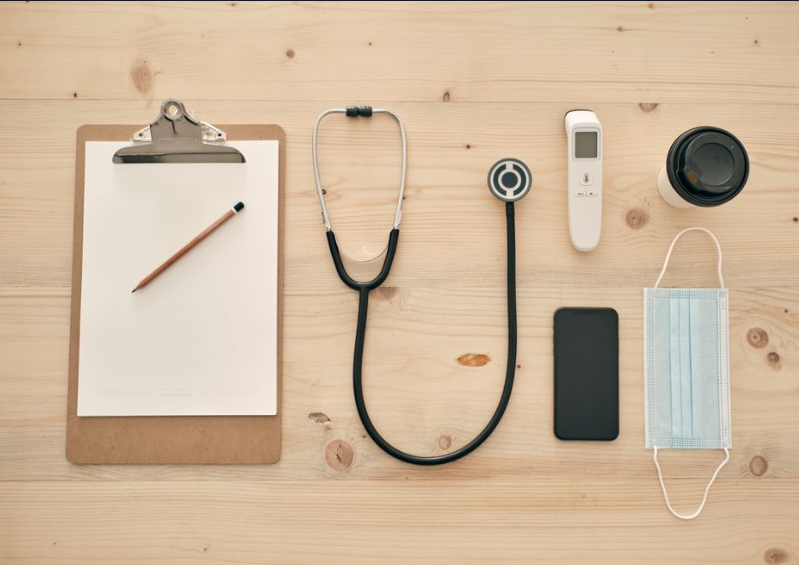
The Challenge: A small medical practice, "Family Health," was struggling to manage its IT and cybersecurity. They had a single IT staff member who was overwhelmed by day-to-day tasks and lacked the specialized expertise to manage cyber risks. The practice handles a large volume of sensitive patient data, including Protected Health Information (PHI), making it a prime target for cybercriminals. Family Health needed to comply with the Health Insurance Portability and Accountability Act (HIPAA), but they had significant security gaps.
The Solution: We implemented a layered security approach using our custom toolset.
The Command Center: We first deployed The Command Center to take control of their IT environment. This gave us a centralized dashboard to manage and monitor all endpoints, including staff computers, servers, and medical devices. We automated software updates and patching to ensure all systems were up-to-date, a critical step for preventing attacks that exploit known vulnerabilities.
The Scout: To understand their current risk posture, we ran a comprehensive scan with The Scout. The Scout's continuous vulnerability assessments identified critical misconfigurations and unpatched systems, including an outdated billing server. The Scout also discovered an unmanaged medical device on the network that was a potential entry point for attackers
The Shield: To provide proactive, always-on protection, we deployed The Shield. This system uses AI and machine learning to analyze network traffic and user behavior in real-time, detecting and blocking suspicious activity. The Shield's intrusion detection and prevention capabilities successfully thwarted several phishing attempts targeting staff, a common vector for PHI theft.
The Hunter: Despite these protections, a low-level, stealthy threat was still present. An employee had accidentally downloaded a malicious file, which was lying dormant on their system. The Command Center and The Shield didn't initially flag it because it wasn't actively doing anything harmful. The Hunter, with its threat-hunting expertise, conducted a deep dive into the network logs and was able to identify the anomaly and trace the file's origin. The threat was neutralized before it could exfiltrate any data.
The Result: By combining these tools, we provided Medical Office with a complete security solution. They went from having an overwhelmed IT department and significant compliance risks to a secure and resilient environment. We were able to demonstrate HIPAA compliance through the detailed reports generated by The Command Center and The Scout. The medical practice can now focus on patient care, with peace of mind knowing their sensitive data is protected.
-

Educational Institutions
The Challenge: A private K-12 school, "Northwood Academy," manages a wide range of sensitive data, including student records, staff payroll, and donor information. Their network is complex, with multiple access points for students, teachers, and administrators, as well as a mix of school-owned and personal devices (BYOD). The school's IT team had limited cybersecurity training and lacked the ability to monitor the network for sophisticated threats. They were also concerned about ransomware, a growing threat in the education sector.
The Solution: We implemented a comprehensive security suite to protect their diverse digital environment.
The Command Center: We used The Command Center to gain central control over the school's entire IT infrastructure. This allowed us to apply consistent security policies across all devices, from administrative laptops to classroom computers. We automated patch management, ensuring that all software was up-to-date and protected against the latest vulnerabilities.
The Scout: The Scout was crucial for mapping out the school's digital assets and identifying vulnerabilities. It quickly discovered "shadow IT"—unauthorized devices and applications—and prioritized critical vulnerabilities on a server used for student admissions. This proactive scanning allowed us to address risks before they could be exploited by attackers.
The Shield: With so many users and devices, the school was highly susceptible to phishing and malware. The Shield's endpoint protection and network monitoring capabilities were the first line of defense. It successfully blocked a targeted spear-phishing campaign aimed at the finance department and quarantined a number of malicious files before they could spread.
The Hunter: A new type of ransomware, specifically designed to bypass traditional defenses, managed to gain a foothold on the network. The Hunter's team of experts, using a hypothesis-driven approach, actively searched for the subtle indicators of compromise. They identified the ransomware's command and control server, isolated the affected systems, and prevented the data encryption process from starting. The Hunter's quick action prevented a catastrophic and costly school-wide shutdown.
The Result: Private School now has a robust defense against cyber threats. The Command Center provides visibility and control, The Scout ensures a low-vulnerability attack surface, The Shield acts as a proactive barrier, and The Hunter offers a last line of defense against advanced threats. The school's administration is confident that they can protect their community's sensitive data and maintain a reputation for excellence.
-

Law Firm
The Challenge: "Sterling & Associates," a mid-sized law firm, handles highly confidential client information, including merger and acquisition details, patent filings, and legal strategies. The firm's partners were aware of the American Bar Association's (ABA) cybersecurity guidelines but struggled to implement them effectively. Their primary concerns were business email compromise (BEC) and data exfiltration, as a breach would not only damage their reputation but also expose them to severe legal and financial penalties
The Solution: Our strategy focused on securing their email communications, endpoints, and sensitive files, with an emphasis on preventing data loss.
The Command Center: We started by implementing The Command Center to provide remote monitoring and management of all firm-owned devices. This gave us a clear view of their entire network and allowed us to enforce strong password policies, multi-factor authentication (MFA), and data encryption across all laptops and desktops, even those used for remote work.
The Scout: The Scout's continuous vulnerability scanning was critical for identifying weaknesses in their infrastructure. It uncovered an unencrypted file-sharing server that was not compliant with security best practices and flagged several software packages that were out-of-date. The Scout provided clear remediation steps, allowing us to quickly close these gaps.
The Shield: To combat BEC, we deployed The Shield, which uses advanced email filtering and behavioral analytics. It successfully identified and quarantined a fraudulent email that impersonated a senior partner, preventing a wire transfer to a scammer's account. The Shield's endpoint protection also prevented the download of malicious attachments that could have led to a ransomware attack.
The Hunter: Despite these layers of defense, a threat actor managed to get into the system by compromising an employee's personal account. The Hunter's team identified this lateral movement, which was a subtle attempt to access confidential client files. The Hunter's expertise allowed us to trace the attacker's actions, remove their presence from the network, and prevent them from exfiltrating any data.
The Result: The Law Firm now operates with a strong cybersecurity posture. We not only helped them meet the ABA's guidelines but also provided them with an active, human-led defense against the most sophisticated threats. The firm's partners and clients have renewed confidence that their confidential information is secure.
-

Financial Institutions
The Challenge: A small regional bank, "Community Trust Bank," provides a range of services to local businesses and individuals. As a financial institution, it is subject to strict regulations like the Gramm-Leach-Bliley Act (GLBA). The bank's leadership was concerned about phishing attacks, insider threats, and the potential for a DDoS attack that could disrupt their online banking services. Their internal security team was small and lacked the resources for 24/7 threat monitoring.
The Solution: Our solution provided a comprehensive and automated approach to security, ensuring compliance and continuous protection.
The Command Center: The Command Center was deployed to manage the bank's entire network, including servers, ATMs, and employee workstations. We automated security audits and policy enforcement to ensure every device was compliant with internal and regulatory standards. The Command Center also streamlined the process of applying critical security patches to all systems.
T Scout: With sensitive customer data at stake, we used The Scout to perform continuous vulnerability scanning and asset discovery. The Scout identified an old, unmonitored server that was still running on their network, which was a significant risk. It also prioritized vulnerabilities based on their potential impact on critical financial data, helping us focus our remediation efforts on the most important tasks.
The Shield: The Shield's powerful threat intelligence capabilities were essential for protecting against phishing and malware. It successfully blocked a wave of credential-stuffing attacks and prevented a new form of ransomware from encrypting any bank files. The Shield's real-time monitoring and reporting helped the bank's small team stay on top of all security alerts without being overwhelmed.
The Hunter: The Hunter's team provided an extra layer of protection by actively hunting for threats that bypass automated systems. They investigated a series of anomalous login attempts from a seemingly legitimate employee account. The Hunter's analysis revealed an insider threat—a disgruntled employee who was attempting to siphon off customer data. The threat was identified and contained before any data could be compromised.
The Result: The Financial Institution now has a resilient cybersecurity framework that not only protects them from external threats but also safeguards against insider risks. They are fully compliant with GLBA and can assure their customers that their financial data is safe. Our combined solution allowed the bank to scale its security posture to match its risks, all without needing to hire a large in-house team.